


Screen Time and Dry Eye: What’s Causing the Discomfort and How to Find Relief
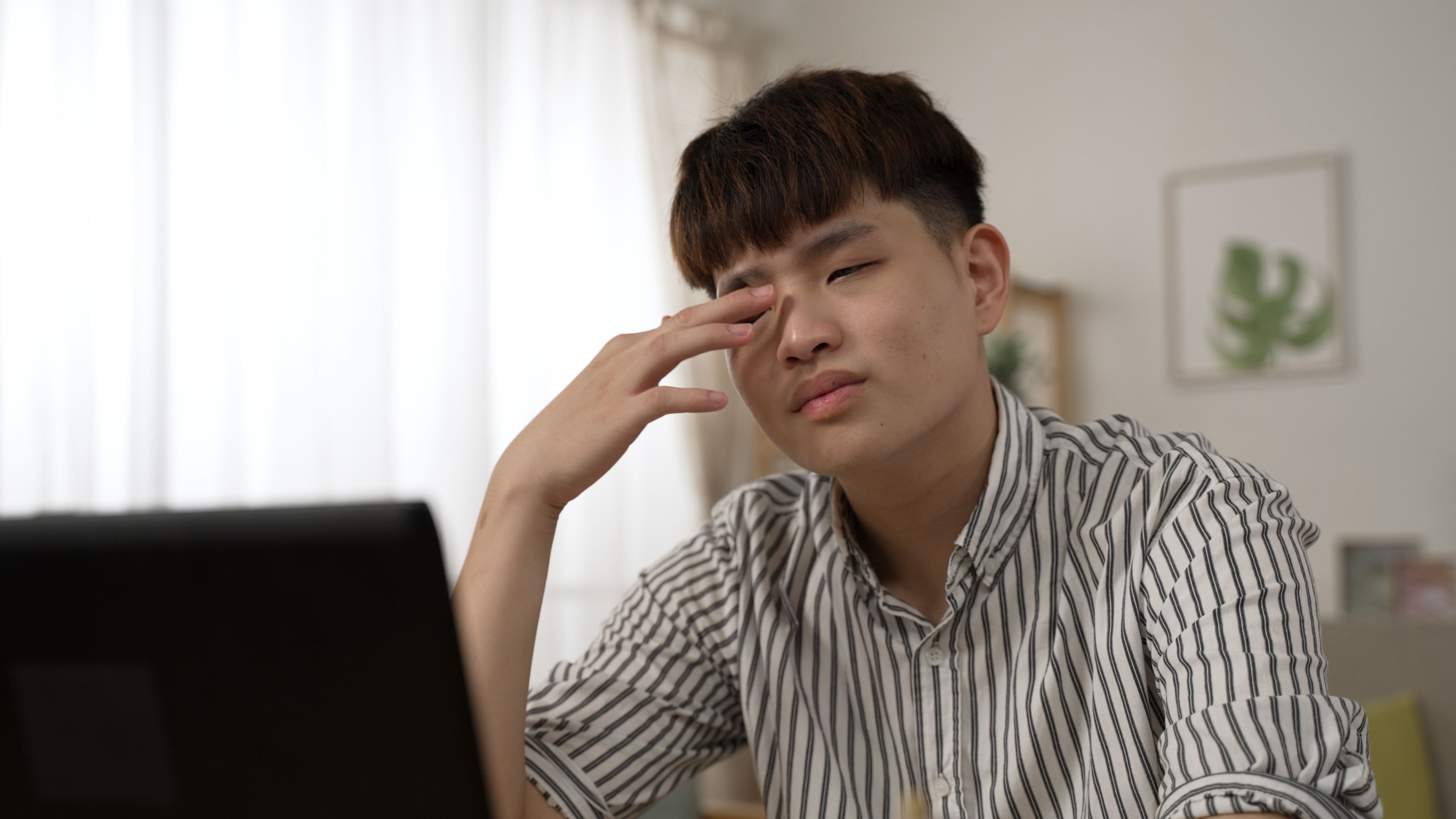
If your eyes feel dry, irritated, or tired after a long day on the computer, you’re not alone. Increased screen use - whether for work, school, or leisure - has led to a noticeable rise in dry eye symptoms. At Partners Pacific Optometry, we frequently see patients experiencing discomfort linked to prolonged digital device use.
Understanding why screen time contributes to dry eye can help you take the right steps toward lasting relief.
Why Screen Time Causes Dry Eye
Reduced Blinking - When you focus on a screen, your blink rate naturally decreases. Studies show that people blink up to 50% less when using digital devices. Blinking is essential because it spreads tears evenly across the eye’s surface. When you blink less frequently, your tears evaporate more quickly, leaving the eyes dry and irritated.
Incomplete Blinks - Even when you do blink during screen use, those blinks may be incomplete. This means the eyelids don’t fully close, preventing proper tear distribution and leading to unstable tear film.
Increased Tear Evaporation - Staring at screens - especially in air-conditioned or heated environments - can accelerate tear evaporation. Over time, this can disrupt the eye’s natural moisture balance and contribute to chronic dry eye symptoms.
Meibomian Gland Dysfunction (MGD) - The meibomian glands along your eyelids produce the oily layer of your tears, which prevents evaporation. Excessive screen time can worsen meibomian gland dysfunction, a common underlying cause of dry eye.
Common Symptoms of Screen-Related Dry Eye
You may experience:
- Burning or stinging sensations
- Redness
- Gritty or sandy feeling
- Blurred or fluctuating vision
- Eye fatigue
- Increased light sensitivity
- Watery eyes (a reflex response to dryness)
If these symptoms persist, it’s important to have a comprehensive eye exam to determine the root cause.
How to Find Relief from Dry Eye
The good news is that dry eye related to screen use is manageable. Treatment depends on the severity and underlying cause.
Artificial Tears - Over-the-counter artificial tears are often the first line of defense. These lubricating drops help supplement your natural tear film and reduce irritation. Preservative-free options are typically recommended for frequent use to avoid additional irritation.
Prescription Dry Eye Treatments - If artificial tears aren’t enough, prescription treatments may be necessary. These may include medicated eye drops that reduce inflammation and help your eyes produce healthier tears.
For some patients, specialty contact lenses designed for dry eye can improve comfort and protect the ocular surface. In certain cases, tiny prescription eye inserts that slowly release lubrication throughout the day may be recommended for consistent moisture.
OptiLight IPL for Dry Eye - For patients with meibomian gland dysfunction, advanced in-office procedures can provide significant relief. OptiLight IPL (Intense Pulsed Light) is a non-invasive treatment designed to reduce inflammation and improve the function of the meibomian glands. By targeting the underlying cause of evaporative dry eye, OptiLight IPL can help restore a healthier tear film and reduce long-term symptoms.
Lifestyle and Screen Habits - In addition to medical treatments, simple changes can make a meaningful difference:
- Follow the 20-20-20 rule (every 20 minutes, look at something 20 feet away for 20 seconds)
- Make a conscious effort to blink fully and regularly
- Adjust screen height so your gaze is slightly downward
- Use a humidifier in dry environments
- Limit continuous screen time when possible
When to See an Eye Doctor
Occasional dryness may improve with basic measures, but ongoing discomfort is not something you have to live with. Chronic dry eye can affect your quality of life, productivity, and overall eye health.
A comprehensive dry eye evaluation allows us to determine whether your symptoms are primarily screen-related or due to other contributing factors such as inflammation, gland dysfunction, or underlying medical conditions.
Don’t Let Screen Time Control Your Comfort
Screen time has become a normal part of daily life, but persistent dry, irritated eyes shouldn’t be. Reduced blinking, increased tear evaporation, and meibomian gland dysfunction all contribute to screen-related dry eye. Fortunately, from artificial tears to prescription treatments and advanced procedures like OptiLight IPL, effective solutions are available.
If you’re experiencing dry, burning, or fatigued eyes after screen use, schedule a comprehensive eye exam at Partners Pacific Optometry. Visit our office in Fountain Valley, California or call (657) 500-6961 to schedule an appointment today.


MAP


stay tuned for updates
Join Our Newsletter
© 2026 Partners Pacific Optometry. All Rights Reserved. Accessibility Statement - Privacy Policy - Sitemap
Powered by: